
The Art of Revealing What Already Is
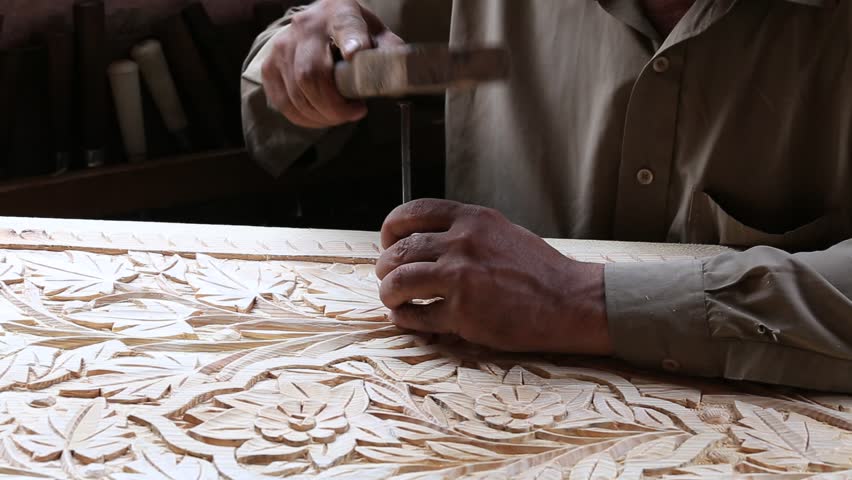
Among the oldest forms of art known to humankind is carving — the act of chiseling and shaping solid matter into form. From the first primitive tools that etched meaning into stone and bone, to the refined hands of master sculptors working in marble or wood, carving has always been both a craft of creation and revelation.
An Ancient ART
Long before brushes and pigments, there was the hammer and chisel — removing, not adding, to find the form within. Whether in wood, stone, ivory, or gourd, the artist’s task was to discern what already lay hidden, waiting to be uncovered. It is a timeless collaboration between human hand and divine material, still honored today by artisans who carry forward this ancient dialogue.
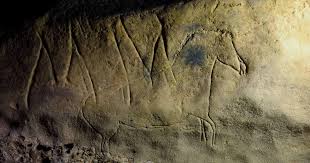
What I appreciate most about this form of art, is that unlike most others, it realizes beauty by taking
away from rather than adding to something. It recognizes the inherent beauty which exists within the material itself.
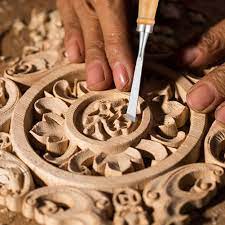
Revealing, Not Adding
What makes carving unique among art forms is its inverse creativity — it finds beauty not by applying, but by subtracting.
Unlike painting, which builds up layers to express a vision, carving unveils beauty by stripping away what obscures it. The artist must trust that the masterpiece already exists within the material, and that their role is simply to release it.
This kind of art demands humility and patience. Each strike of the chisel must be intentional, guided by vision but responsive to the nature of the material. It’s not domination, but partnership — a listening as much as an act of will. In every fragment removed, something essential is revealed.
“The sculpture is already complete within the marble block, before I start my work. It is already there, I just have to chisel away the superfluous material.” – Michalangelo
A Metaphor for the Refinement of Character
This process of uncovering resonates deeply with the inner life of the seeker. At a certain point in our journey, growth no longer means gathering more — more knowledge, more achievements, more possessions — but rather shedding what no longer serves us.
We, too, are works of art in progress, carrying within us the raw material of divine potential. Through faith, patience, and self-awareness, we begin to chisel away the unnecessary: ego, pride, fear, resentment. The process can be uncomfortable — like carving, it requires care not to strike too deep or too fast — but each gentle removal brings us closer to our natural form, to our fitra, our inherent beauty.
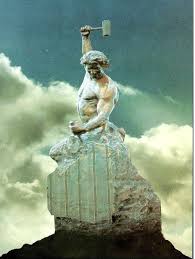
The wood does not resist the sculptor who knows its grain. The stone yields only to the one who listens to its truth. Likewise, we refine our character through surrender — through allowing what is false to fall away, revealing what has always been true.
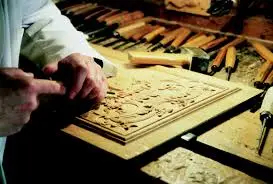
The Beauty Beneath the Surface
When complete, the carved work stands as both artifact and mirror — shaped by the artist, yet containing traces of what it once was. Its surface polished, yet never denying its raw origins. So too are we: products of refinement and revelation, formed by both what we have endured and what we have released. Every scar, every groove, every smoothed edge speaks of the journey toward inner grace.
In the end, both the artist and the art remind us of a profound truth — beauty is not made; it is found.
Reflecting and Creating
Every piece of art we encounter — or create — is an invitation to reflect. To see not only the work, but ourselves within it.
Caring for art, then, is more than preservation; it’s participation. To live with art is to live with meaning, to allow beauty to continue shaping us long after the artist’s hand has rested.
Whether you collect, create, or simply contemplate, treat each work as a mirror — a reminder of the timeless truth it reflects, and the beauty it awakens within you.